
Patient Info

Where Smiles Meet Care and Innovation

Peikar Orthodontics combines trust in Colleyville Orthodontics with the latest orthodontic technology and a personalized approach imbued with care to create beautiful, healthy smiles. The Colleyville, TX clinic has an inviting atmosphere, providing modern orthodontic solutions such as braces while providing innovative treatment protocols like Invisalign and others for patients of all ages.
The latest in AI technologies in orthodontics, applied with absolute precision, innovation, and comfort, is going to become a remarkable transformation for your smile.
Why Choose Peikar Orthodontics?
We focus on building relationships and understanding your needs to make your experience stress-free.
Our warm, welcoming team is dedicated to making each visit pleasant.
Leveraging advanced technologies, including Celebrace, invented by Dr. Peikar.
Appliances tailored to your unique dental anatomy.
A fully digital process ensures efficiency and precision, leading to outstanding results.

Your First Visit
We want your first visit to be a great experience. Here’s what to expect.
3D X-ray (CBCT)
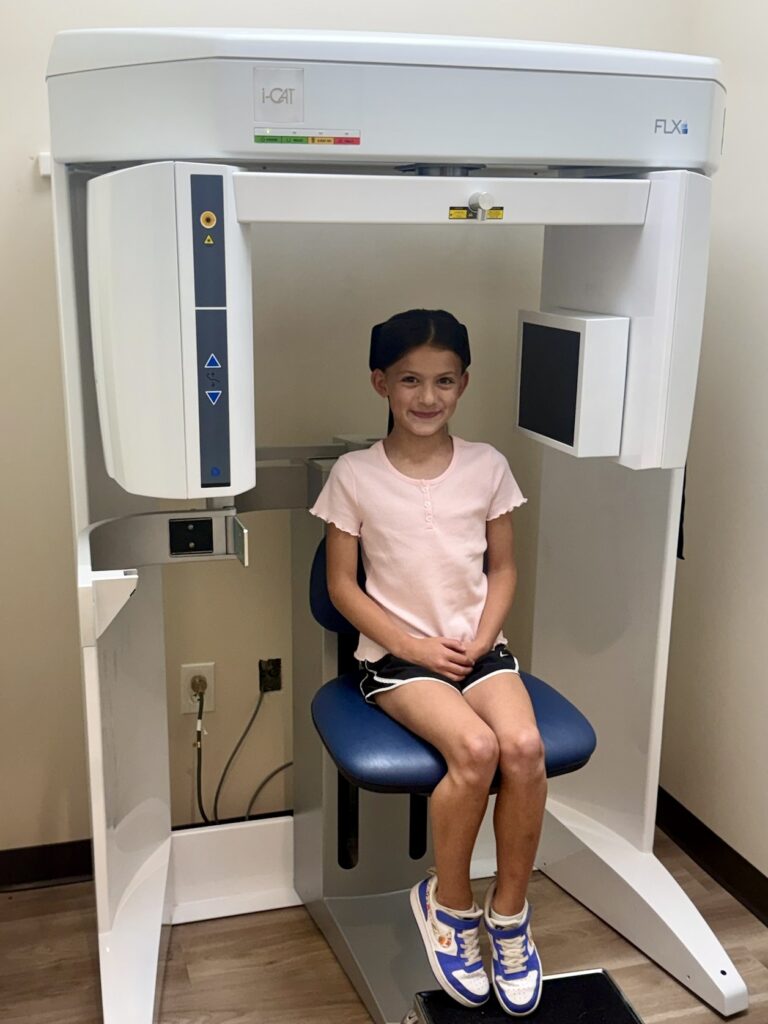
We take a 3D X-ray (CBCT) as part of your initial evaluation. This allows Dr. Peikar to see the full picture, including roots of the teeth, impacted teeth, jaw structure/bite, and airway evaluation, which helps us plan treatment more precisely and safely.
Intraoral Scan
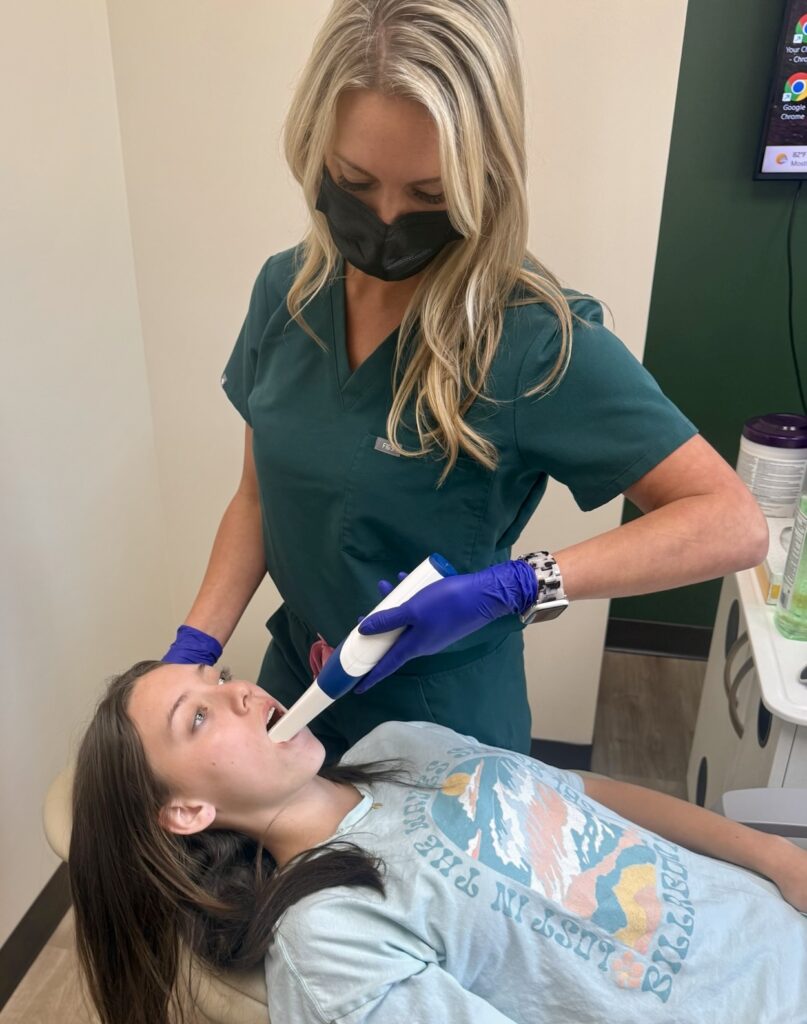
We take a digital scan of your teeth using a handheld scanner. This creates a 3D model of your smile that we use for planning your treatment.
Photos
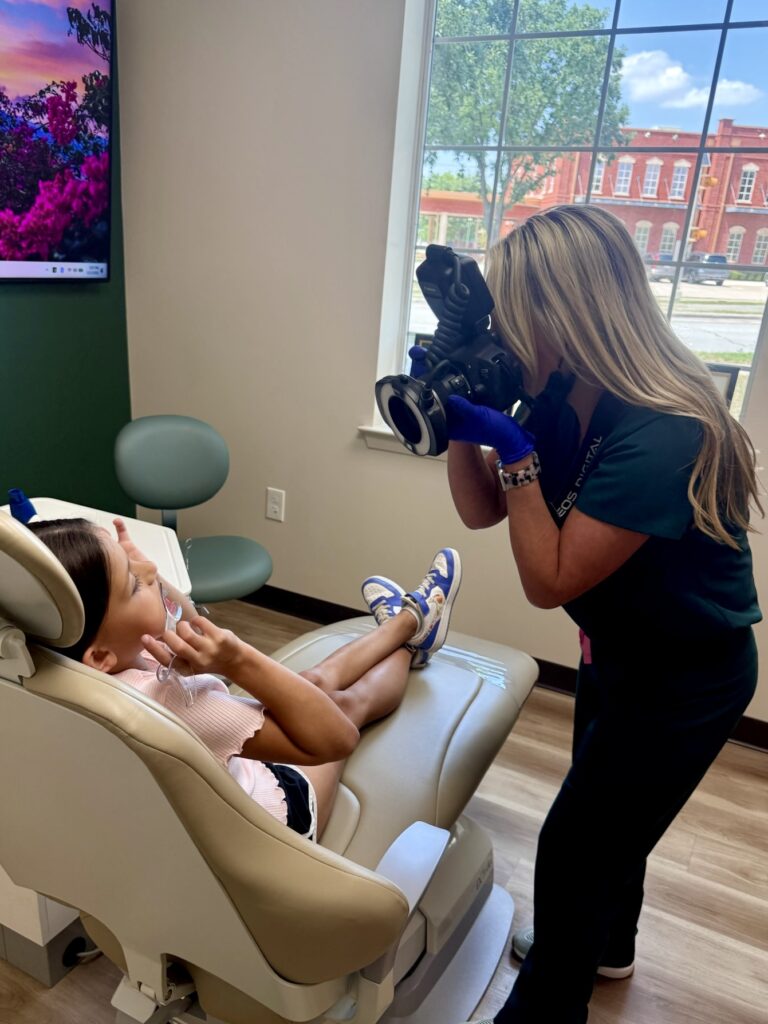
We take a series of intra-oral and extra-oral photos of your teeth and smile. These help us track your progress and design the best possible outcome.
Personalized Treatment Options
We will walk you through the treatment options that fit your needs and lifestyle. This may include Celebrace, clear aligners, MARPE/TADS, or Phase 1 treatment for younger patients. The ideal age for initial orthodontic evaluation is 7 years of age.
One-on-One with Dr. Peikar
You will meet with Dr. Peikar to review your records, discuss your goals, and receive his professional recommendation.
He will explain what each option looks like, how long it may take, and what to expect.
This is your time to ask questions and feel confident moving forward.
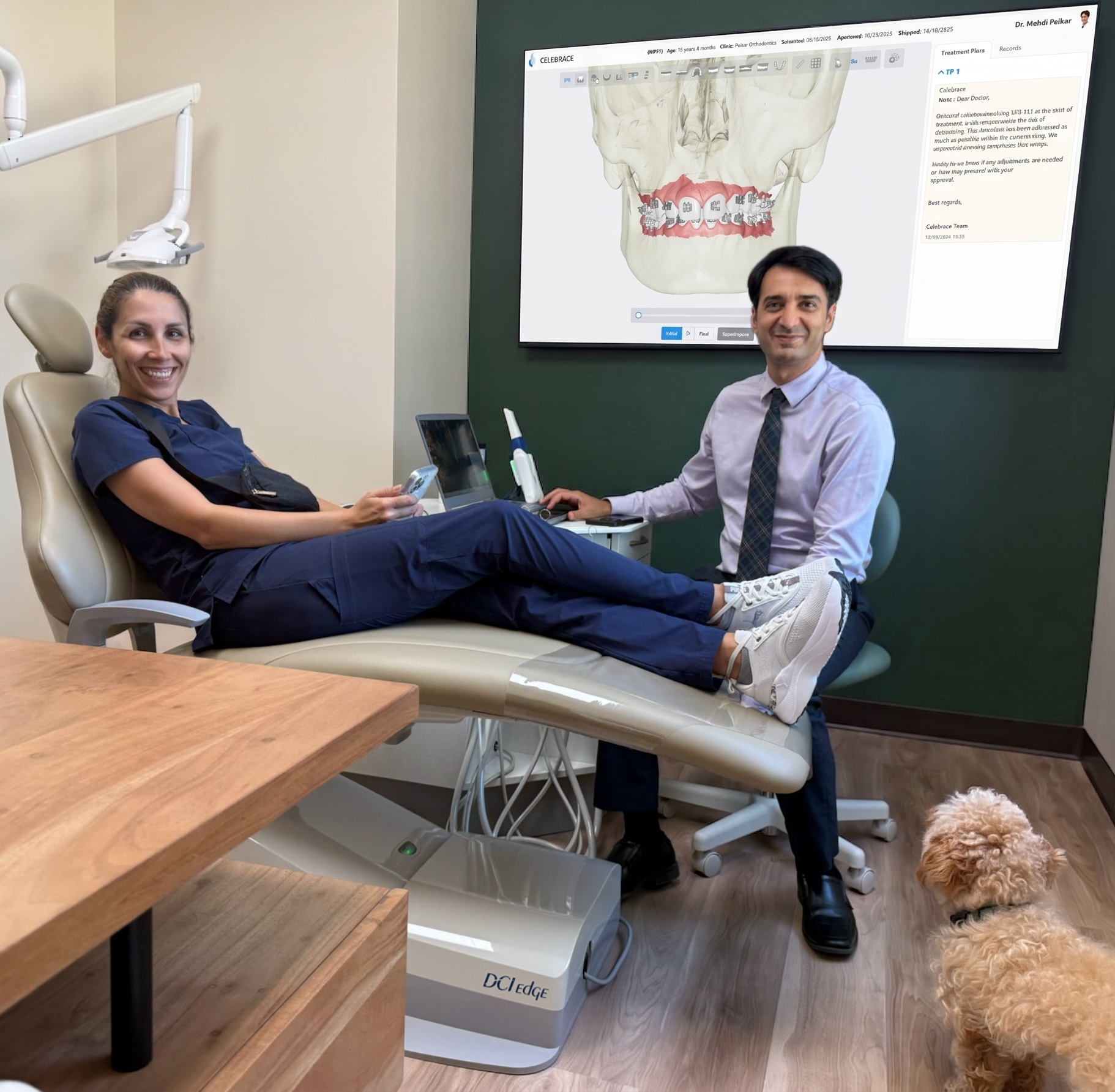
Contract & Design your own payment plan
Before you leave, we will go over your treatment cost, insurance benefits if applicable, and payment options. This includes designing your own payment plan from the downpayment to the monthly installments with zero interest. HSA/FSA are accepted.

Checklist for Your First Visit
Our goal is to get you started with braces the same day if possible!
- Completed Medical History Form
- Any Referral Forms From Your Dentist or Referred Specialist
- Recent X-rays, Scans, Intraoral Photos (if available)
- Parent or Guardian (if patient is under 18)
Fill Out Medical/Dental History Form in advance to save time
Financials & Insurance
We believe orthodontic treatment should fit your smile and your budget. Our team will walk you through every step and help you find a payment option that works for you.
Build Your Own Payment Plan
We offer flexible, interest free payment plans.
You can choose:
- Your down payment
- Your monthly payment
- Your payment schedule
Every payment plan is customized to fit your budget.
No Surprises
Before you decide to begin treatment, we’ll review everything with you.
You’ll know:
- Your treatment options
- Your total investment
- Your insurance benefits (if applicable)
- Your exact monthly payment
No hidden fees. No pressure. Just clear information so you can make the best decision for your family.
Insurance
We work with many insurance plans and are happy to help you maximize your orthodontic benefits.

Don’t see your insurance listed? Give us a call! We’ll be happy to verify your orthodontic benefits before your appointment and explain your coverage and estimated out-of-pocket costs.
We Handle the Insurance
We’ll take care of the insurance process for you.
We will:
- Verify your benefits
- File your claims
- Track your insurance payments
You can focus on your smile—we’ll handle the paperwork.
No Insurance?
No problem! Many of our patients don’t have orthodontic insurance.
We’ll still help you build a payment plan that fits your budget.
Ready to get started?
Getting started is simple.
You can:
- Complete your forms online
- Review and sign your contract digitally
- Make your down payment in office or over the phone
Our team will guide you through every step. If you’re ready to get started, we’re here to help!
Social Media
Follow us to stay up to date on our news and events!



Oral Hygiene with Braces
Keeping your teeth clean during orthodontic treatment is a big deal. Braces, expanders, aligners, and retainers all make it a little easier for food and plaque to get stuck, which can lead to cavities, swollen gums, or staining if you are not careful.
The good news is, with a few extra steps and some consistency, you can keep your smile healthy the entire time.
Flossing with Braces
Flossing with braces takes a little more effort, but it is one of the most important things you can do.
Food and plaque love to hide around brackets and under the wires, so skipping flossing can quickly lead to gum issues or cavities.
A floss threader, orthodontic floss, or a water flosser can make this much easier.
A couple tips:
- Take your time.
- Make sure you are getting between every tooth and along the gumline
- Aim to floss at least once a day
Brushing with Braces
Brushing well with braces is key to avoiding white spots and buildup around your brackets.
Try to brush after meals when you can, especially if food tends to get stuck.
A couple tips:
- Use a soft toothbrush or electric toothbrush
- Angle the brush above and below each bracket
- Do not forget the gumline and back teeth
Interdental Brushes
These small brushes can reach areas around brackets and between teeth more easily than regular brushes.
Mouthwash
Rinsing with fluoride mouthwash helps prevent cavities and strengthens tooth enamel.
Water Flossers
These can be a helpful alternative to traditional floss, using a stream of water to clean around brackets and between teeth.
Flossing with an Expander
An expander can make flossing a little awkward at first, but it is still just as important.
You may need to slow down and adjust your angle a bit to get around everything properly.
A couple tips:
- Be patient. It gets easier with practice
- A water flosser can help get food out from under the expander
- Focus on keeping your gums clean and healthy
Brushing with an Expander
Food can get trapped around the expander and along the roof of your mouth, so brushing thoroughly really matters.
Make sure you are not just brushing your teeth, but also around the appliance itself.
A couple tips:
- Brush after meals and before bed
- Pay extra attention where the expander touches your teeth
- Do not skip the roof of your mouth
Cleaning Aligners
Aligners need to be cleaned every day to keep them clear and fresh.
If you do not clean them regularly, they can start to smell or look cloudy.
A couple tips:
- Rinse them every time you take them out
- Gently brush them with a soft toothbrush
- Use lukewarm water. Hot water can warp them
Cleaning Retainers
Retainers are just as important as the treatment itself, so keeping them clean helps them last longer and stay comfortable.
A couple tips:
- Clean them daily with a soft toothbrush
- Always use lukewarm water
- Do not wrap them in a napkin at meals. They almost always get thrown away
How Often to See Your Dentist
Even during orthodontic treatment, you still need to see your general dentist regularly.
Most patients should go every 6 months, unless your dentist recommends coming in more often.
Regular cleanings help keep everything on track and catch any issues early.
Retainers
Retainers are a clear, removable custom made appliance that are imperative to maintaining your results after orthodontic treatment. They help your roots stay stable in the bone and also prevent damage from clenching and grinding.
Removable Retainers
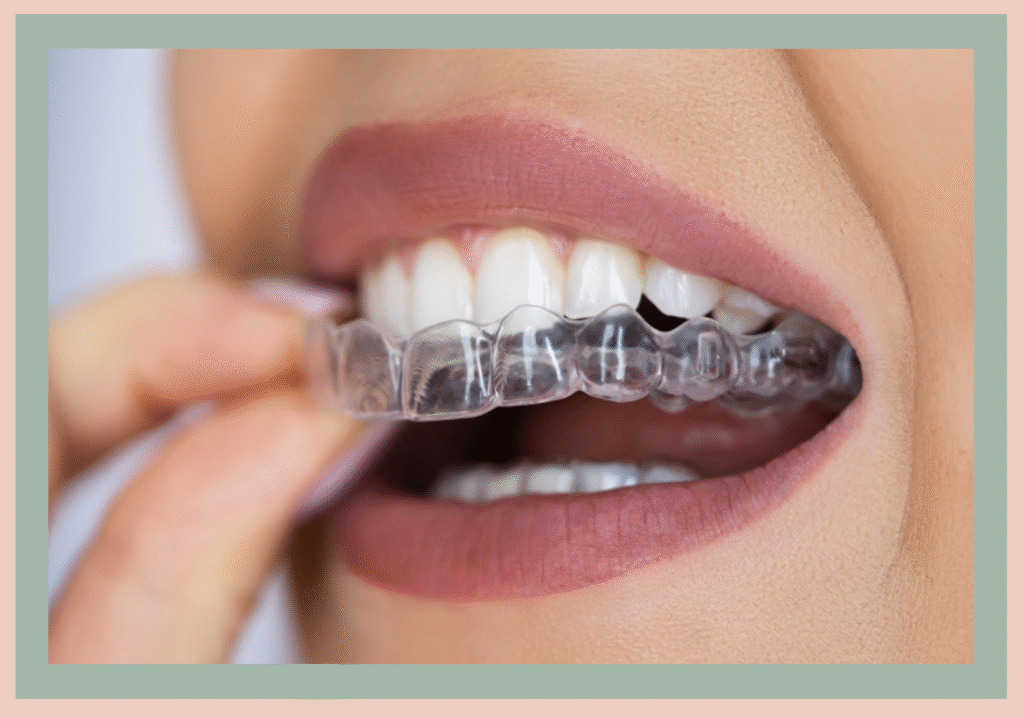
Removable retainers are easy to clean, allow for normal flossing and brushing, and make it easier to maintain healthy gums and bone long term. They also allow both the patient and doctor to easily monitor fit and tooth movement over time.
Another major benefit is protection from teeth grinding and clenching. Many patients grind their teeth at night without realizing it, which can wear down enamel, cause sensitivity, and lead to chipping over time. A removable retainer acts as a protective barrier to help reduce wear on the teeth while you sleep.
If a removable retainer starts to feel tight, it can also alert you early that teeth may be trying to shift, allowing you to address the issue before significant movement occurs.
When worn as instructed, removable retainers are often the healthiest long term option for maintaining your smile. They provide excellent retention while also allowing you to properly care for your teeth and gums.
Fixed Retainers
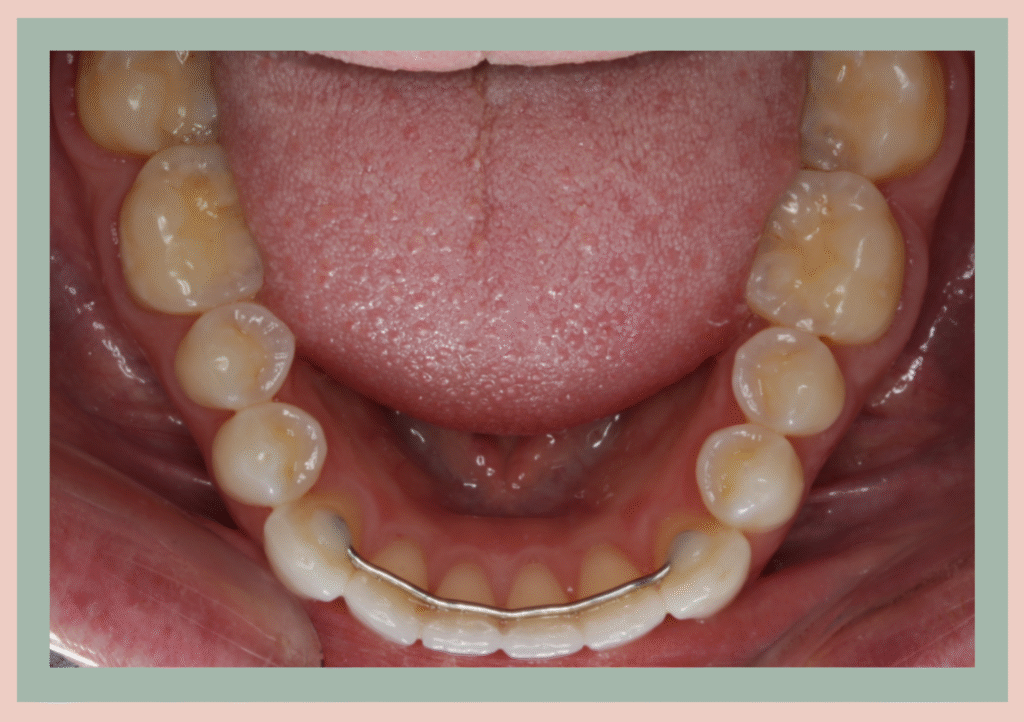
A fixed retainer is a thin wire bonded behind your teeth to help maintain alignment without needing to remember to wear it.
Many patients like the convenience of not having to take it in and out. However, fixed retainers do require extra attention when it comes to oral hygiene.
Flossing around the wire can be more difficult, and if plaque builds up over time, it may contribute to gum inflammation, gum recession, and even bone loss.
Fixed retainers can also loosen or partially detach without you noticing, which may allow teeth to shift.
Our Recommendation
At Peikar Orthodontics, we typically recommend removable retainers for long term retention because they are easier to keep clean, healthier for the gums and bone, and allow for better long term maintenance of your smile.
They also help protect the teeth from nighttime grinding and clenching, which can reduce enamel wear and help keep your teeth healthier over time.
Why Retainers Are Important
Teeth naturally shift over time.
Wearing your retainer helps prevent this movement and keeps your smile straight.
Retainers can also help protect your teeth from grinding at night, which can cause wear, damage, and headaches.
How Often to Wear Your Retainers
After your orthodontic treatment is complete, you will wear your retainers full time for the first few months (22 hours per day)
After that, you will switch to nighttime wear only.
Wearing your retainers as instructed is essential to maintaining your results long term.
When You Will Receive Your Retainers
Your retainers will be ready within 24 to 48 hours after your braces or aligners are removed, so you can begin wearing them right away.
Eating and Drinking
Remove your retainers when eating or drinking anything other than water.
Avoid:
- Eating with retainers in.
- Drinking coffee, tea, soda, or anything that can stain or damage them.
Always brush your teeth and/or rinse before putting your retainers back in.
How to Clean Your Retainers
Keeping your retainers clean is important to prevent buildup and odor.
We recommend:
- Rinsing them with lukewarm water
- Gently brushing them with a toothbrush and dawn dish soap.
- Avoid hot water, as it can warp the material
You can also use retainer cleaning tablets if needed.
Taking Care of Your Retainers
To help your retainers last:
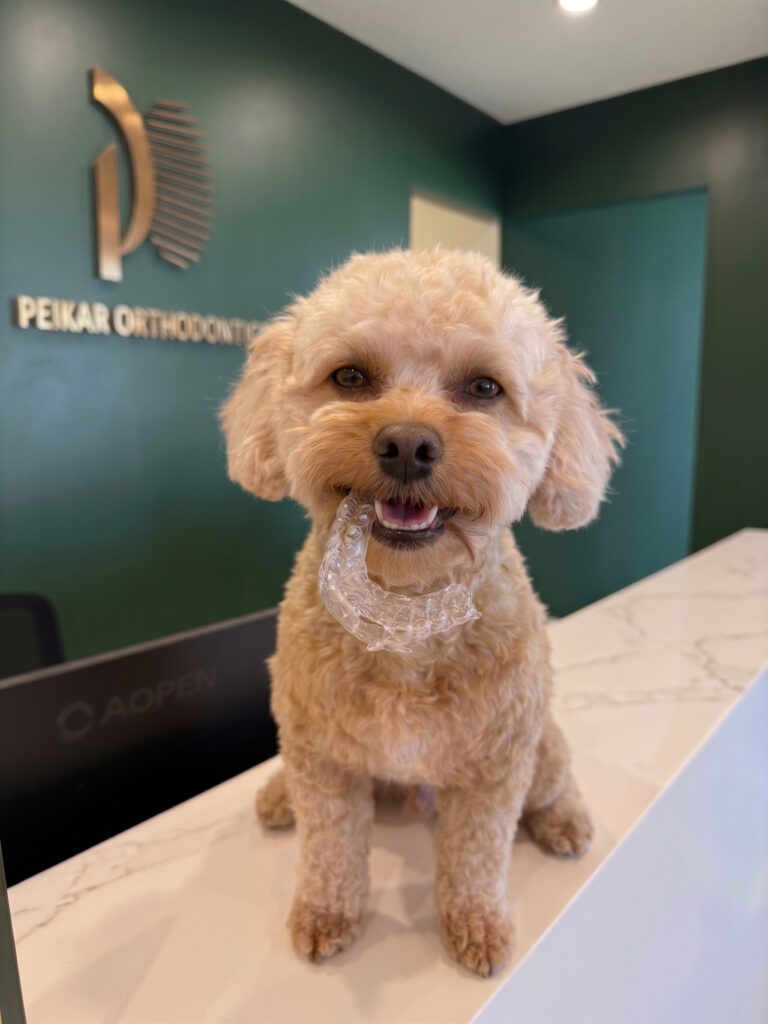
- Always store them in their case when not in use. Keep out of reach from pets, the dog will likely eat your retainer just like it ate your homework.
- Keep them away from heat – Texas summers are HOT, avoid leaving them in your car.
- Do not wrap them in napkins, as they are easily thrown away
Retainer Plan
Accidents happen; we understand. We offer a retainer plan to help make replacements more affordable over time.
Please contact our office for more information about our retainer plan and how it works.
Common Questions About Retainers
What if I forget to wear my retainer?
If you miss a night, wear it again as soon as possible. If it feels tight, that means your teeth have started to shift.
What if my retainer feels tight?
This usually means your teeth have moved slightly. Wear your retainer consistently. If it does not fit properly, contact our office.
What if I lose or break my retainer?
Contact our office as soon as possible so we can replace it. Waiting too long can allow teeth to shift.
How long will I need to wear retainers?
Retainers are a long term commitment. Nighttime wear is recommended to maintain your results.
FAQs
At Peikar Orthodontics, we understand that you may have many questions about orthodontic care. Here are some of the most common questions we receive from our patients:
Treatment time varies depending on your needs, but most patients can expect anywhere from several months to around two years. Dr. Peikar will give you a more specific timeline at your consultation.
The cost of treatment depends on your individual needs and the type of treatment recommended. We will go over all costs, insurance benefits, and payment options during your consultation.
We recommend children have their first orthodontic evaluation around age 6. This allows us to monitor growth and address any concerns early if needed.
Early treatment can help guide jaw growth, create space for permanent teeth, and prevent more complex issues later on.
Orthodontic treatment can improve both the appearance and function of your smile. Straight teeth are easier to clean and can help support long term dental health.
Yes. It is important to continue regular dental cleanings and checkups with your general dentist throughout orthodontic treatment.
No referral is needed. You can schedule a consultation with our office directly.
Most patients are seen every 4 to 8 weeks, depending on their treatment plan.
You may feel some soreness or pressure after starting treatment or after adjustments. This is normal and usually lasts a few days.
Yes. We recommend wearing a mouthguard for sports. It may take a few days to adjust when playing instruments.
After treatment, you will wear retainers to maintain your results. Wearing your retainers as instructed is essential to keeping your teeth in their new position.
Emergencies / When to Call Us
When to Contact Our Office
Please reach out if you experience:
- Pain that is not improving after a few days
- A broken bracket or wire that is poking or causing irritation
- A loose or broken expander or appliance
- A lost aligner or retainer
- Swelling, bleeding, or anything that does not seem normal
- Any concerns about your treatment
For non urgent issues, we will get you scheduled at the next available appointment.
If you are not sure, it is always okay to reach out. We would rather you ask.
What is Normal
Some discomfort is expected, especially when starting treatment or after an adjustment.
It is normal to have:
- Mild soreness for a few days
- Pressure when switching to a new aligner
- Minor irritation on the cheeks or lips as you get used to braces
This usually improves within a few days.
Quick Tips at Home
For minor issues, these can help until you are able to come in:
- Use orthodontic wax to cover any area that is rubbing
- Rinse with warm salt water to help with irritation
- Take over the counter pain relief if needed
- If a wire is poking, you can try to gently move it with a clean cotton swab
If something does not feel right or is getting worse, go ahead and contact us.

Questions to Expect During Your Visit
We will address the following questions during your initial consultation for orthodontic braces treatment. Feel free to ask any additional questions you may have:
- Is there a condition that orthodontics can address?
- Is treatment needed now, or should we wait until appropriate growth or tooth eruption occurs?
- What treatment procedures will correct the problem?
- Will any permanent teeth need to be removed?
- How long will treatment take?
- What are my payment options?
We’re here to make your first visit smooth and informative. Feel free to reach out to our office with any questions before your appointment.

Comprehensive Evaluation
During your initial visit, Dr. Peikar will perform a thorough evaluation of your teeth, jaw, joints, and facial symmetry. We will take photographs and a CT scan to provide a diagnosis and develop a personalized treatment plan to help you achieve your ideal smile. At this time, our treatment coordinator will discuss:
- Treatment fees
- Monthly payment plans
- Insurance benefits