
Treatments
At Peikar Orthodontics, our award-winning orthodontist offers personalized treatments, using advanced technology to provide effective, comfortable solutions for achieving healthy, beautiful smiles for patients of all ages.
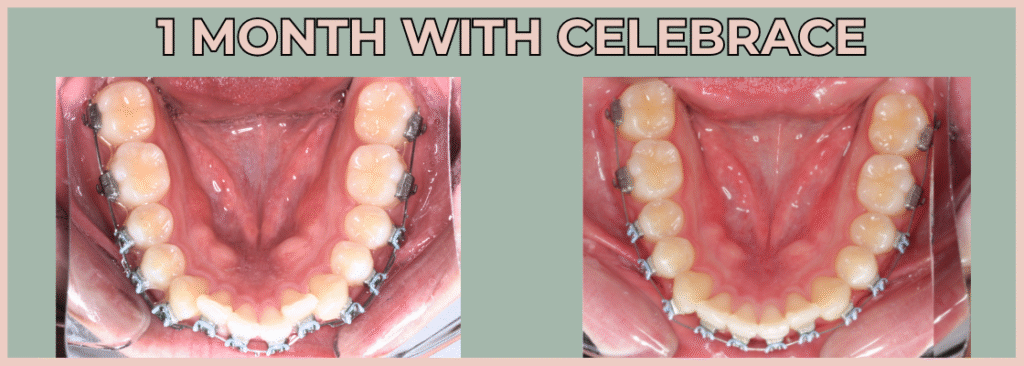
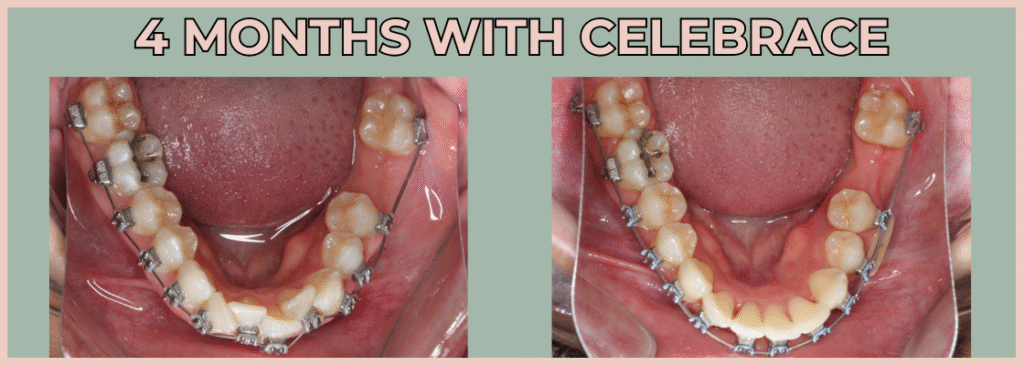
Celebrace
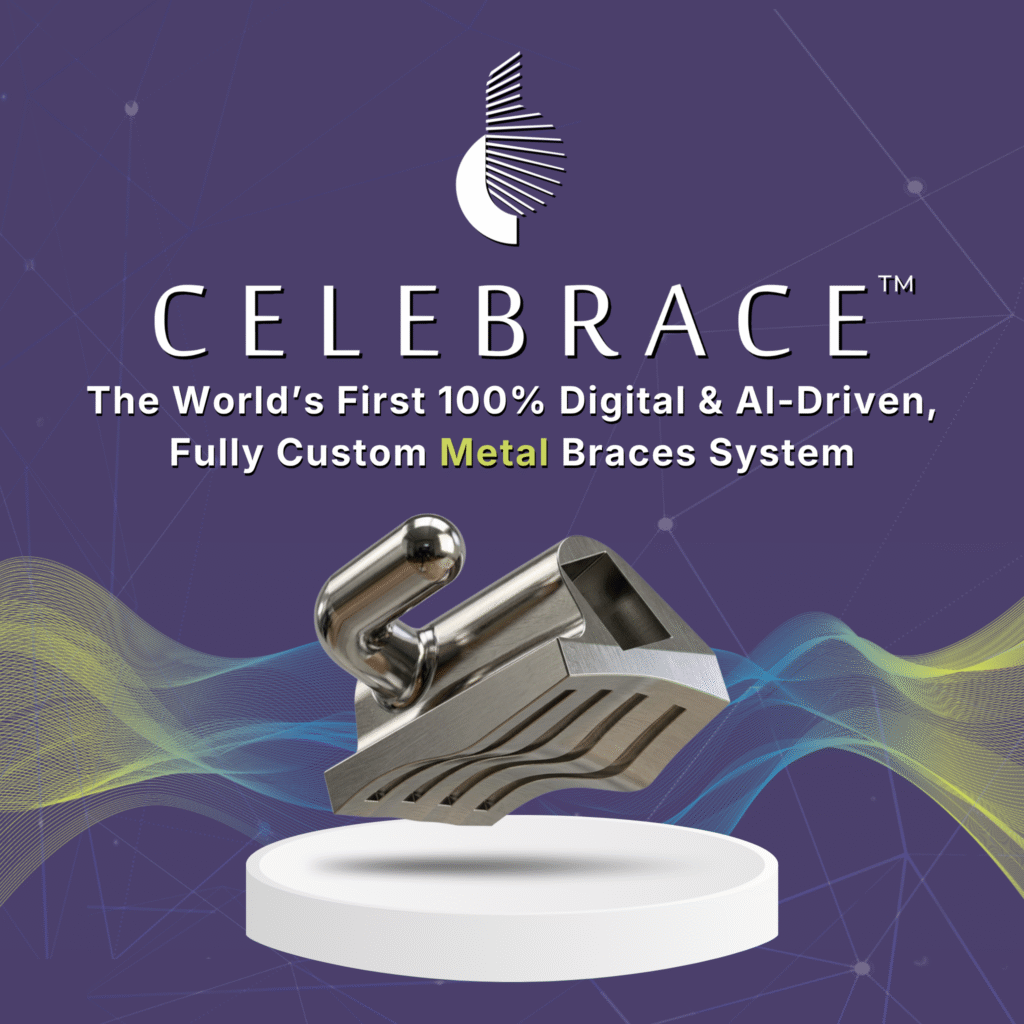
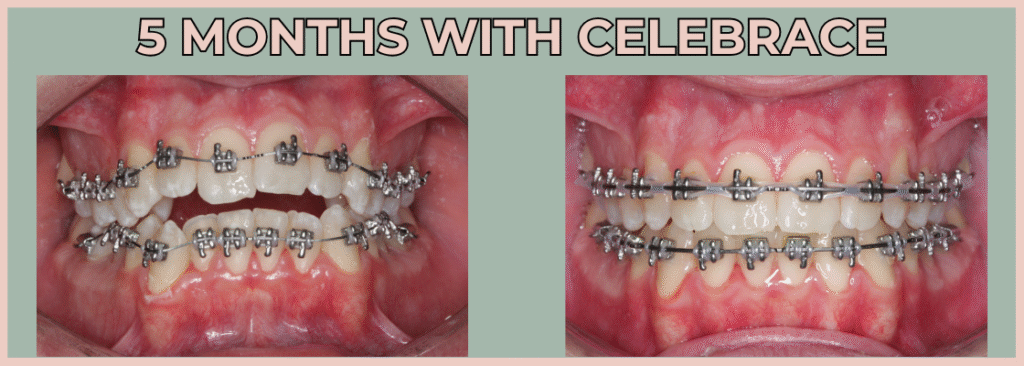
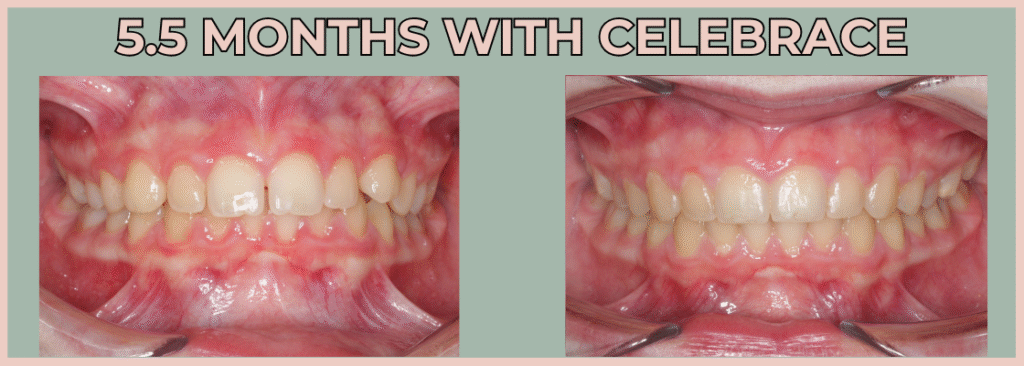
Invented by Dr. Peikar, Celebrace is one of the most advanced orthodontic systems available today. It uses sophisticated technology to move your teeth with greater precision and efficiency.
Each bracket is custom made for your unique anatomy and the exact movement needed for each tooth. This allows for more accurate results, fewer adjustments, and a more efficient overall treatment.
Celebrace recently won the Ortho Innovator Award and The New Products Showcase at the 2026 American Association of Orthodontists Annual Session.
3D-Printed Metal Brackets
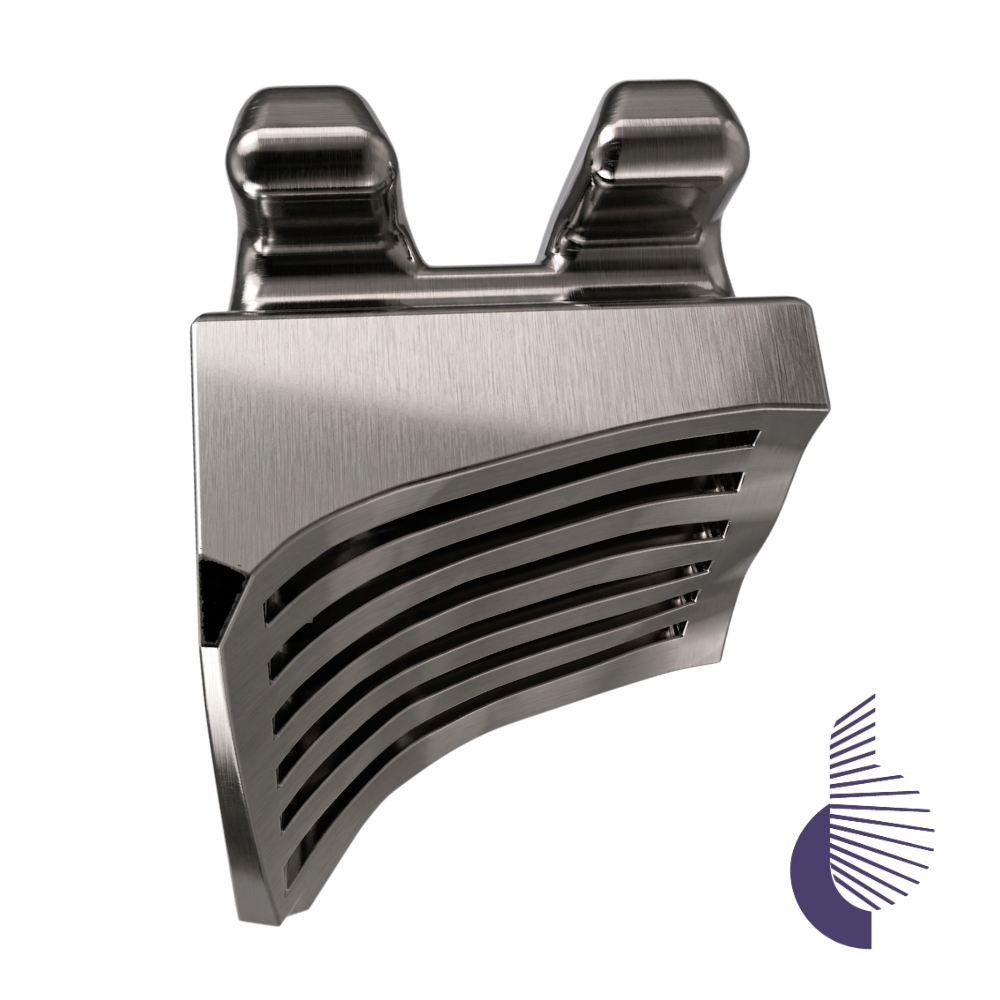
Traditional braces use generic brackets, but your teeth are entirely unique. That is why we utilize state-of-the-art 3D metal printing to craft appliances designed exclusively for your dental anatomy.
Because these custom-printed brackets are engineered to contour perfectly to your specific teeth, they provide a significantly lower profile and a more comfortable experience, all while guiding your teeth to their ideal positions faster than ever before.
Inderect Bonding Trays (IDB)
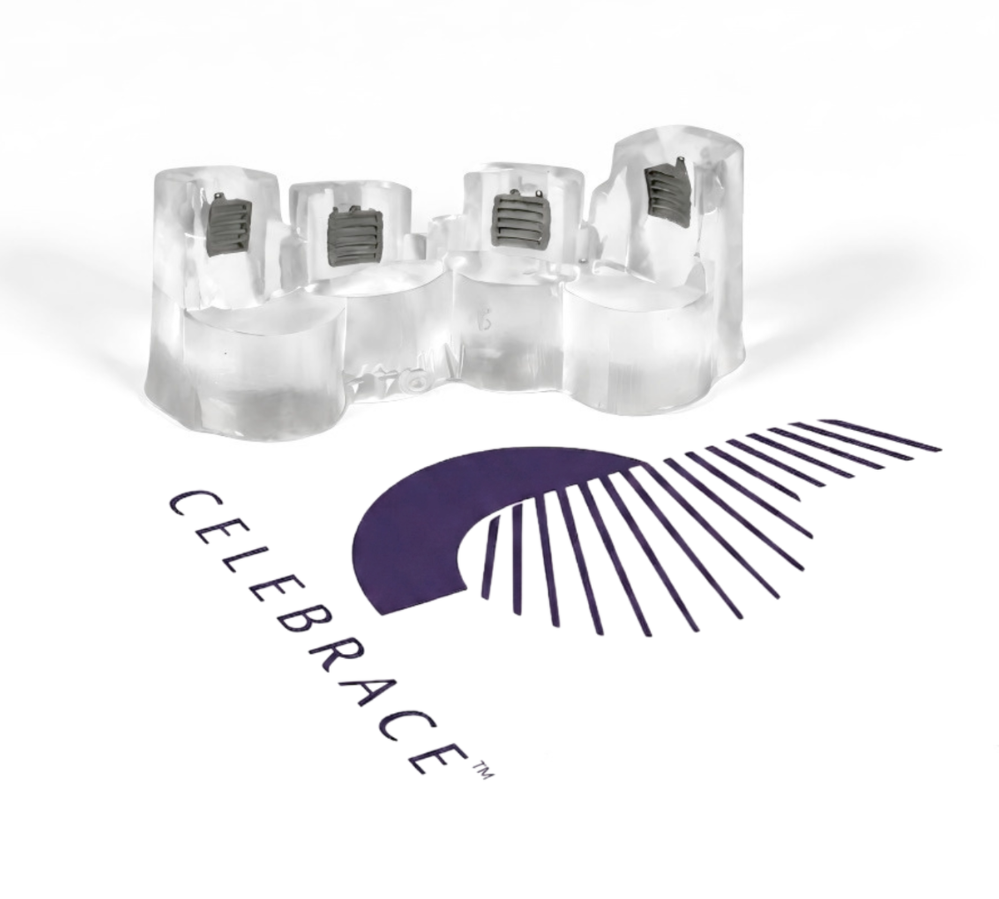
Getting braces used to mean a lengthy appointment while each bracket was positioned one by one. We’ve completely revolutionized that process.
Using our 3D-printed Indirect Bonding (IDB) trays, your custom brackets are pre-loaded into a flexible guide that is tailored specifically to your teeth. This allows us to safely and accurately apply your entire set of braces at the exact same time.
For you, this means significantly less time in the chair, a much more comfortable experience, and a faster start to your perfect smile.
AI Archwire
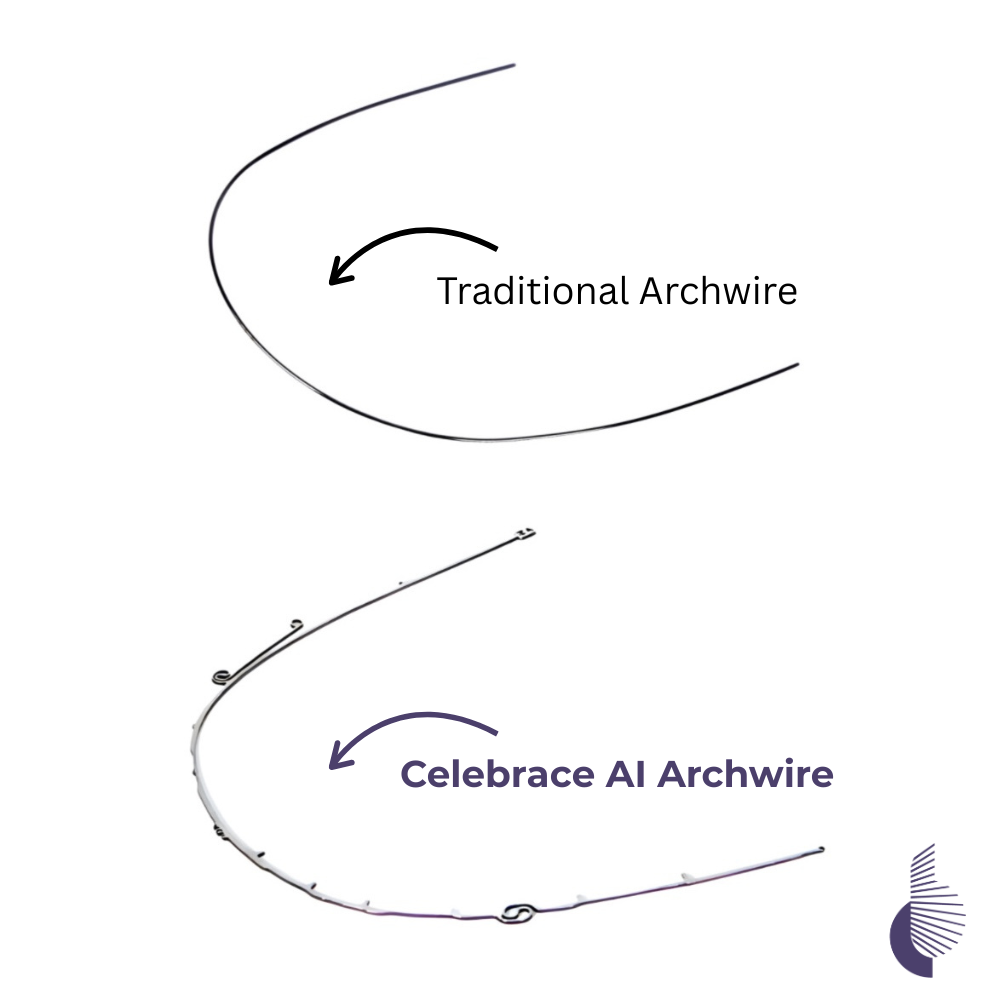
Unlike traditional uniform archwires, the Celebrace AI Archwire features customized geometry designed by our algorithms to apply exact, targeted pressure to individual teeth.
Because forces are customized from the very beginning, your treatment progresses with incredible accuracy, requiring fewer manual adjustments and allowing you to spend less time in the orthodontic chair.
Celebrace Software
The magic of the Celebrace system begins long before your braces are actually placed. Using our advanced proprietary software, Dr. Peikar creates a highly accurate, 3D digital twin of your mouth. Because your entire orthodontic journey is mapped out digitally from day one, you can actually see a predictive, 3D model of your final, perfect smile before your treatment even begins.
The Celebrace software analyzes your unique dental anatomy and calculates the most efficient path for every single tooth to travel. By determining the exact forces needed right from the start, the system removes the guesswork and trial-and-error that often come with traditional manual adjustments.
The software uses these calculations to dictate the precise, microscopic design of your custom 3D-printed brackets and the unique geometry of your AI archwires. The result is a highly targeted, streamlined treatment plan that requires fewer unexpected visits to our office and guides your teeth to their ideal positions faster than ever before.
Oral Hygiene
Keeping your teeth clean is very important during treatment. Food and plaque can get trapped around brackets and wires, so brushing and flossing thoroughly every day is essential.
We recommend:
- Brushing after every meal
- Using a water flosser and floss threader
- Keeping up with regular dental cleanings
Good hygiene helps prevent cavities, staining, and gum issues.
Foods to avoid
Certain foods can damage your braces, so it’s important to be mindful of what you eat.
Avoid:
- Sticky foods like gum and caramel
- Hard foods like ice, nuts, and hard candy
- Crunchy foods like chips and popcorn
Cut foods like apples and carrots into smaller pieces instead of biting into them.
Rubber Bands
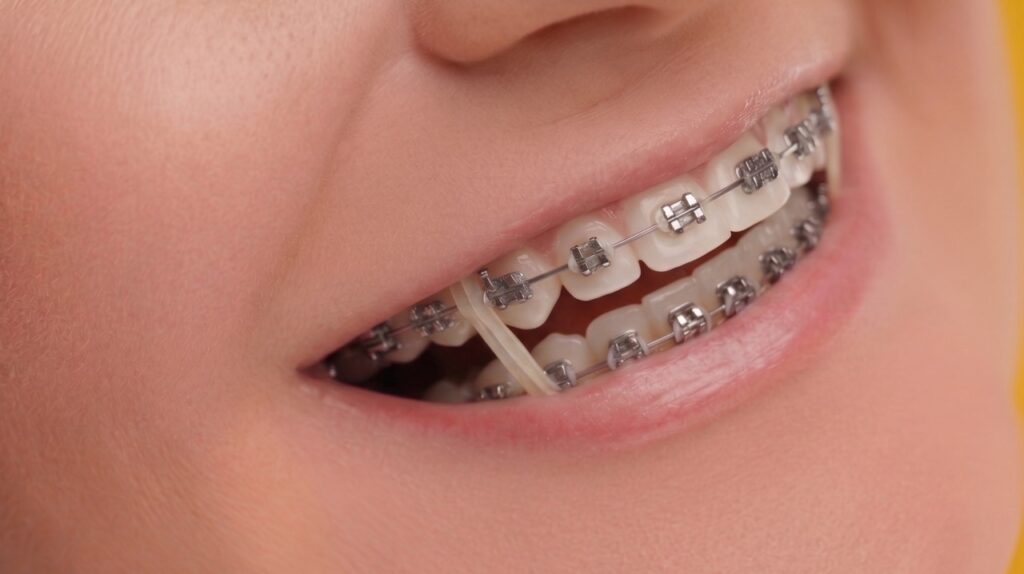
If rubber bands are part of your treatment, wearing them as instructed is very important. They help guide your bite into the correct position. Not wearing them as directed can slow down your progress and extend treatment time.
What to Expect
It is normal to feel some soreness or pressure after your braces are placed or adjusted.
This usually lasts a few days as your teeth begin to move.
You can take over the counter pain relief if needed and stick to softer foods during this time.
Treatment Time
Treatment time varies depending on your needs, but most patients can expect anywhere from several months to around two years.
Dr. Peikar will give you a more specific timeline at your consultation.
With the Celebrace option, it can significantly cut down the length of your treatment time.
After Treatment
Your first set of retainers are included with your treatment. They are used to keep your teeth stable in their new position.
Wearing your retainers as instructed is essential to maintaining your results long term. Purchasing additional set of retainers is highly recommended as they get normal wear & tear due to clinching or grinding at night. Ask us about our retainer plan!
Common Questions About Braces
What if something is poking or uncomfortable?
As your teeth move, wires may shift and feel like they are poking your cheek. You can place orthodontic wax over the area to make it more comfortable. If the irritation continues, give us a text or call (even on weekends) and we can help trim the wire to make you more comfortable.
What if I break a bracket?
If a bracket comes loose, please let us know. In most cases, it is not an emergency, but it is important to have it repaired so your treatment stays on track. Try to avoid touching or playing with it.
What if my wire breaks?
If a wire breaks or is causing discomfort, you can use wax to cover the area. Please contact our office so we can schedule a time to fix it and guide & on next steps.
Can I play sports or instruments with braces?
Yes. We recommend wearing an orthodontic mouthguard for contact sports. It may take a few days to adjust when playing instruments.
Aligners
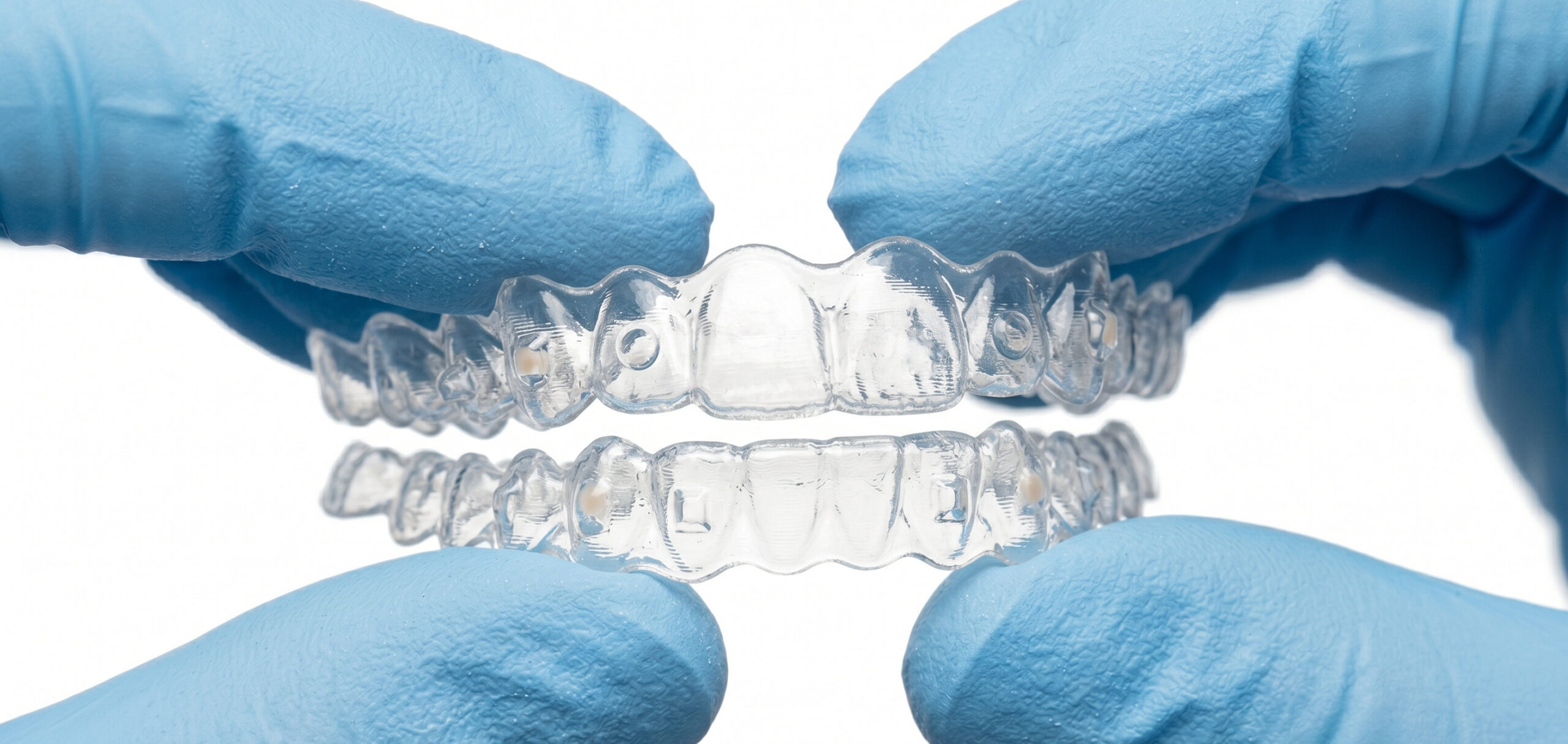
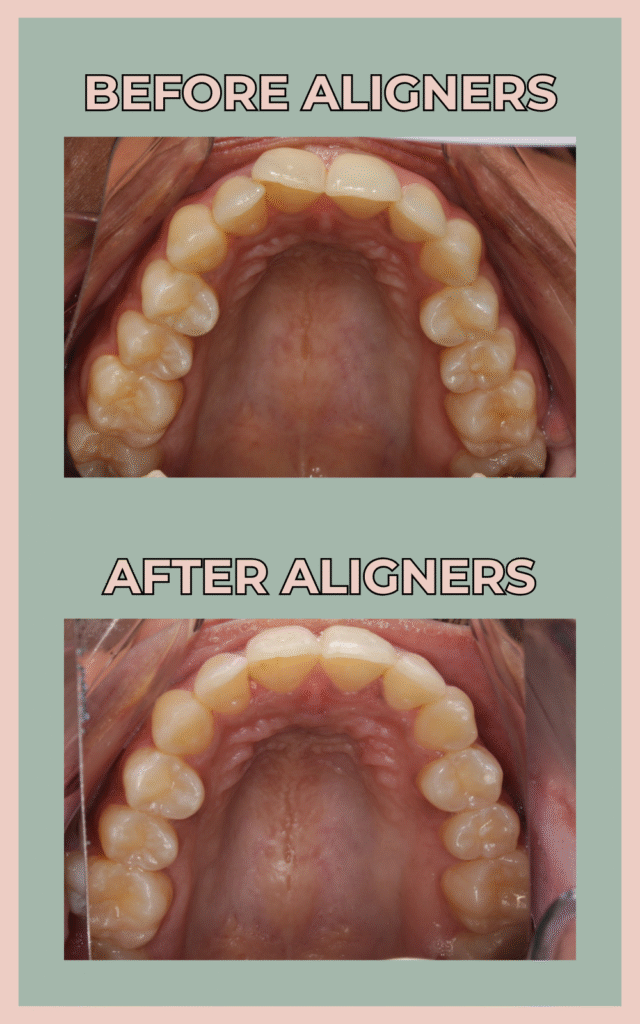
Aligners are a series of clear, removable trays that gradually move your teeth into the correct position. Each set is slightly different and designed to guide your teeth step by step throughout treatment.
You may also have small tooth colored attachments placed on certain teeth. These help the aligners grip and move your teeth more effectively.
How Long to Wear Them
Aligners should be worn 22 hours per day.
They should only be removed for eating, drinking anything other than water, and brushing your teeth.
You will typically change to a new set of aligners every 1 to 2 weeks, depending on your treatment plan.
Eating and Drinking
Aligners should be removed when eating or drinking anything other than water.
Avoid:
- Eating with aligners in
- Drinking coffee, tea, soda, or anything that can stain or damage them
Always brush your teeth before putting your aligners back in.
How to Clean Your Aligners
Keep your aligners clean to avoid buildup and odor.
We recommend:
- Rinsing them with lukewarm water
- Gently brushing them with a soft bristle toothbrush (that you don’t normally use) & dawn dish soap.
- Avoiding hot water, as it can warp the plastic
You can also use aligner cleaning tablets if needed.
Rubber Bands with Aligners
Some patients may need rubber bands as part of their treatment. These are worn with your aligners to help correct your bite.
It is important to wear them exactly as instructed to stay on track.
Treatment Time
Treatment time varies depending on your needs, but most patients can expect anywhere from several months to around two years.
Dr. Peikar will give you a more specific timeline at your consultation.
After Treatment
Your first set of retainers are included with your treatment. They are used to keep your teeth stable in their new position. Wearing your retainers as instructed is essential to maintaining your results long term. Purchasing additional set of retainers is highly recommended as they get normal wear & tear due to clinching or grinding at night. Ask us about our retainer plan!
Common Questions About Aligners
What happens if I don’t wear my aligners?
Not wearing your aligners as directed can delay your treatment and affect your results. Your teeth may not track properly or may begin to shift back, which can require additional time or adjustments.
What if I lose my aligners?
If you lose a set of aligners, contact our office as soon as possible. We will let you know whether to move to your next set or go back to your previous one while a replacement is made.
What if my aligners don’t fit?
If your aligners feel too tight or do not fully seat; contact our office before moving to the next set. We will guide you on what to do next.
Can I take my aligners out for special events?
Yes, aligners can be removed for short periods. Just make sure you are still wearing them 20 to 22 hours per day to stay on track.
Phase I Treatment
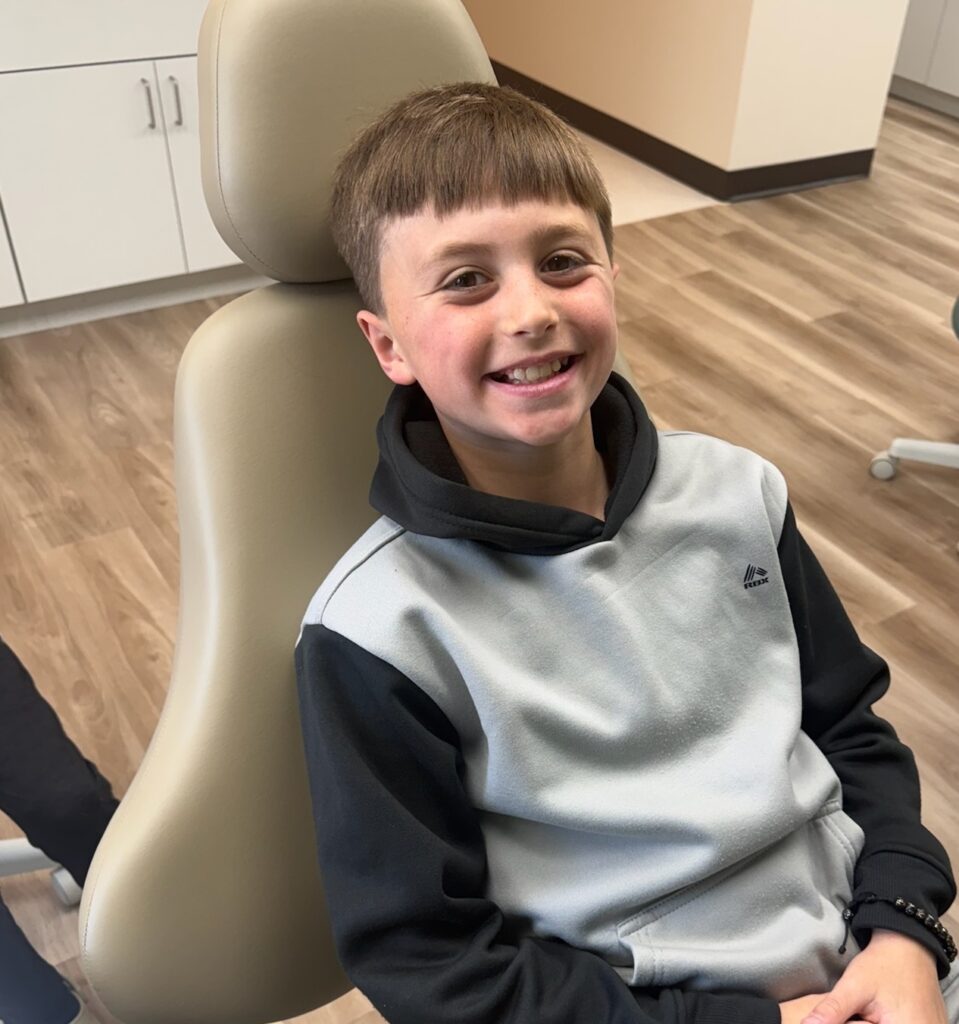
Phase I treatment is early interceptive orthodontic treatment for younger patients. It helps guide jaw growth, expand and create space for newly erupted teeth/incoming teeth. This helps guide all the permanent teeth into place and avoid a lengthier phase II treatment once all permanent teeth have erupted.
This phase may include an expander and partial braces, depending on your child’s needs.
Mini-Expander
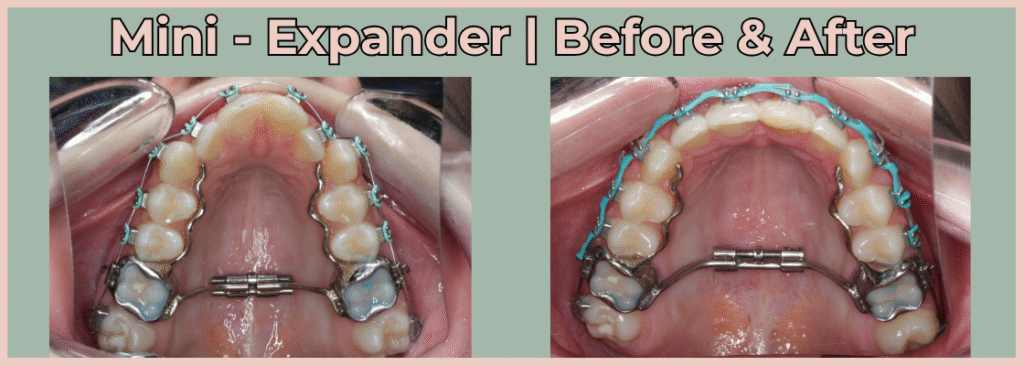
An expander is used to gently widen the upper arch/palate to create space for unerupted or crowded teeth. The expansion can also improve the airway, helping children sleep better at night and stay focused during the day. We use a custom mini URPE (expander) in most cases.
In some cases, a normal expander can cause issues with speech & swallowing. The larger expander is also hard to tolerate in smaller mouths. Food can get trapped more easily which can create unpleasant oral hygiene. You will be taught how to easily activate our appliance with a small key at your child’s appointment.
Partial Braces
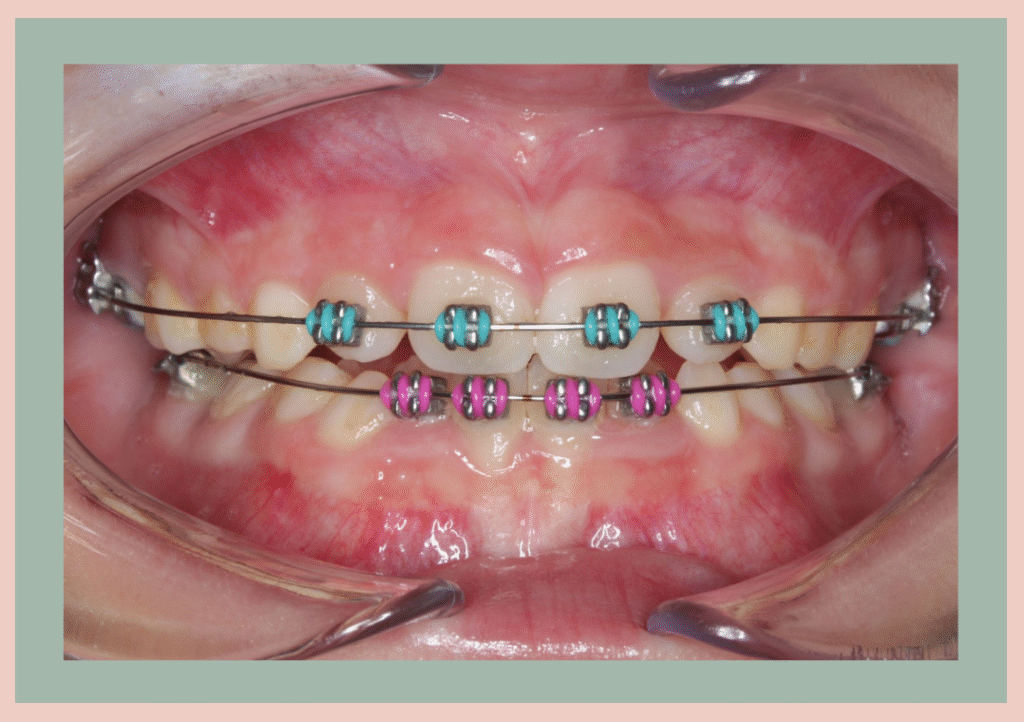
Partial braces may be used during Phase I to guide specific teeth into better positions. This helps create space, improve alignment, and set the foundation for future treatment if needed.
Not all teeth will have braces during this phase.
The goal is to address key areas early and make future treatment easier and more efficient.
Oral Hygiene
Keeping your child’s teeth clean is very important during treatment. Food can get trapped around the expander and braces, so daily cleaning is essential.
We recommend:
- Brushing carefully around the expander and brackets after meals
- Rinsing with water to remove food debris
- Using a water flosser or floss threader when needed
- Keeping up with regular dental cleanings
Good hygiene helps prevent cavities, staining, and gum issues.
Foods to Avoid
To prevent damage to the expander and braces, avoid:
- Sticky foods like gum and caramel
- Hard foods like ice, nuts, and hard candy
- Crunchy foods like chips and popcorn
Cut foods like apples and carrots into smaller pieces instead of biting into them.
Turning the Key
You will be given a key to turn the expander at home.
We will show you exactly how to do this and how often it should be turned.
It is important to follow the instructions closely to keep treatment on track.
What to Expect
It is normal to feel pressure after turning the key. Some patients may notice a gap forming between the front teeth. This is expected and shows that the expander is working.
Use over the counter pain relief if needed.
Treatment Time
Treatment time varies depending on your child’s needs, but most patients can expect anywhere from 12 to 18 months.
Dr. Peikar will give you a more specific timeline at your consultation.
After Treatment
Your first set of retainers are included with your treatment. They are used to keep your teeth stable in their new position. Wearing your retainers as instructed is essential to maintaining your results long term. Purchasing additional set of retainers is highly recommended as they get normal wear & tear due to clinching or grinding at night. Ask us about our retainer plan!
Common Questions About Expanders
What if I forget to turn the key?
If you miss a turn, continue as instructed at the next scheduled time. Do not try to catch up by doing multiple turns unless we tell you to.
What if I turn the key twice in one day?
This is usually not a problem. Just continue with your normal schedule the next day.
What if I lose the key?
Contact our office and we will provide a replacement.
What if the expander comes loose or falls out?
If the expander feels loose or comes out, please contact our office so we can take a look and fix it. Place the expander in a baggie and bring it to the appointment.
Will the gap in the front teeth close?
Yes. The gap that forms during expansion is normal and will close as treatment continues.
Marpe
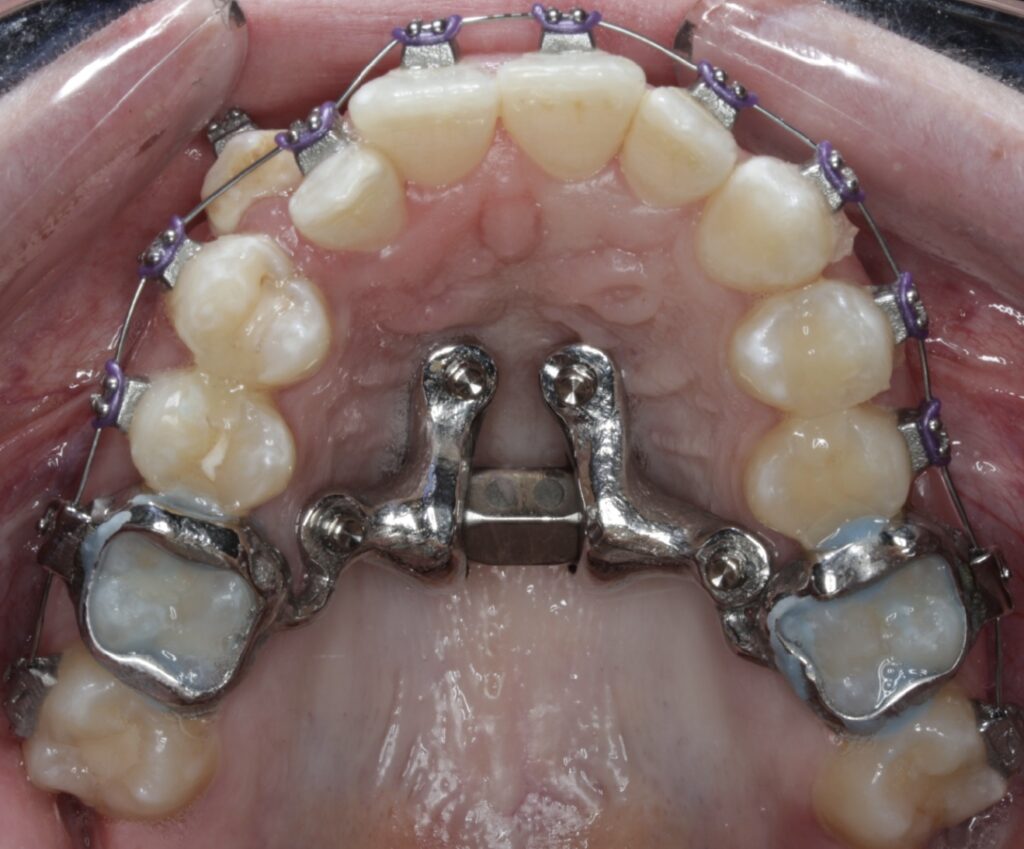
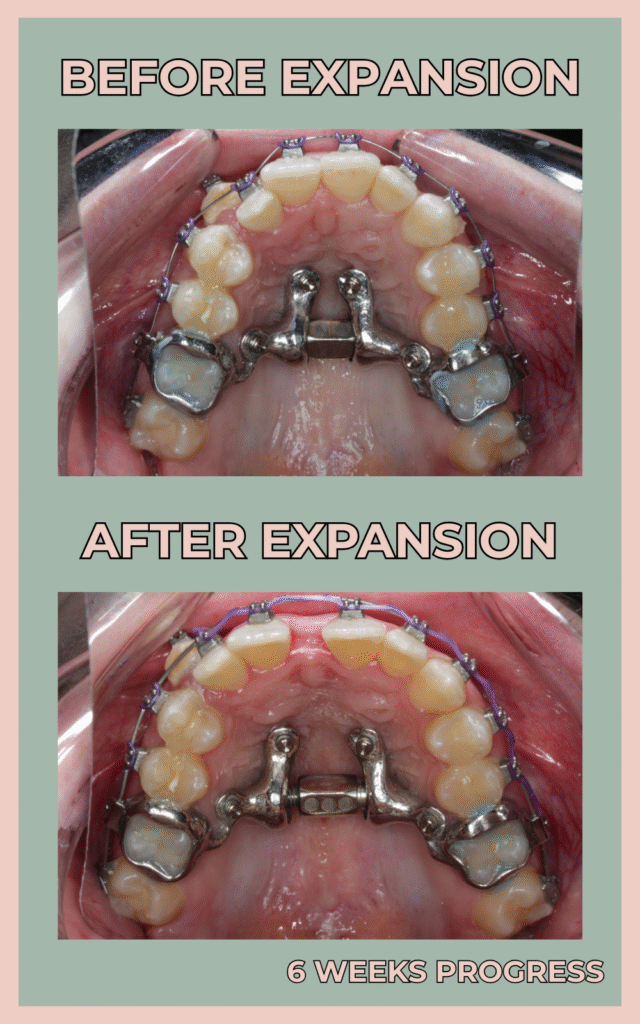
MARPE stands for Miniscrew Assisted Rapid Palatal Expansion. It is used to widen the upper jaw in patients whose bones are more developed.
Unlike a traditional expander, MARPE is supported by small temporary anchors to help achieve more effective and stable expansion.
This treatment is typically used for patients who have already completed their skeletal growth, when traditional expansion is no longer effective.
Oral Hygiene
Keeping the area clean is very important during MARPE treatment.
We recommend:
- Brushing carefully around the appliance and surrounding gums
- Rinsing with water to remove food debris
- Using a water flosser if needed
- Keeping up with regular dental cleanings
Good hygiene helps prevent irritation and inflammation around the appliance.
Foods to Avoid
To prevent damage or discomfort, avoid:
- Sticky foods like gum and caramel
- Hard foods like ice, nuts, and hard candy
Stick to softer foods, especially during the first few days and after adjustments.
Turning the Key
You will be given a key to activate the MARPE appliance at home.
We will show you exactly how to do this and how often it should be turned. It is important to follow the instructions closely to keep treatment on track.
What to Expect
It is normal to feel pressure after turning the key. Some patients may notice a gap forming between the front teeth. This is expected and shows that the expansion is working.
You may also feel pressure around the nose or cheek area. This is temporary.
Use over the counter pain relief if needed and stick to softer foods during this time.
Treatment Time
Treatment time varies depending on your needs.
Dr. Peikar will give you a more specific timeline at your consultation.
After Treatment
After treatment, retainers are used to maintain the results.
Wearing your retainers as instructed is imperative to long term stability.
Common Questions About MARPE
What if I forget to turn the key?
If you miss a turn, continue as instructed at the next scheduled time. Do not try to catch up by doing multiple turns unless we tell you to.
What if I turn the key twice in one day?
This is usually not a problem. Just continue with your normal schedule the next day.
What if I lose the key?
Contact our office and we will provide a replacement.
Will I get a gap between my front teeth?
Yes, a temporary gap may form during expansion. This is expected and shows that the appliance is working. The gap will close as treatment progresses.
TAD
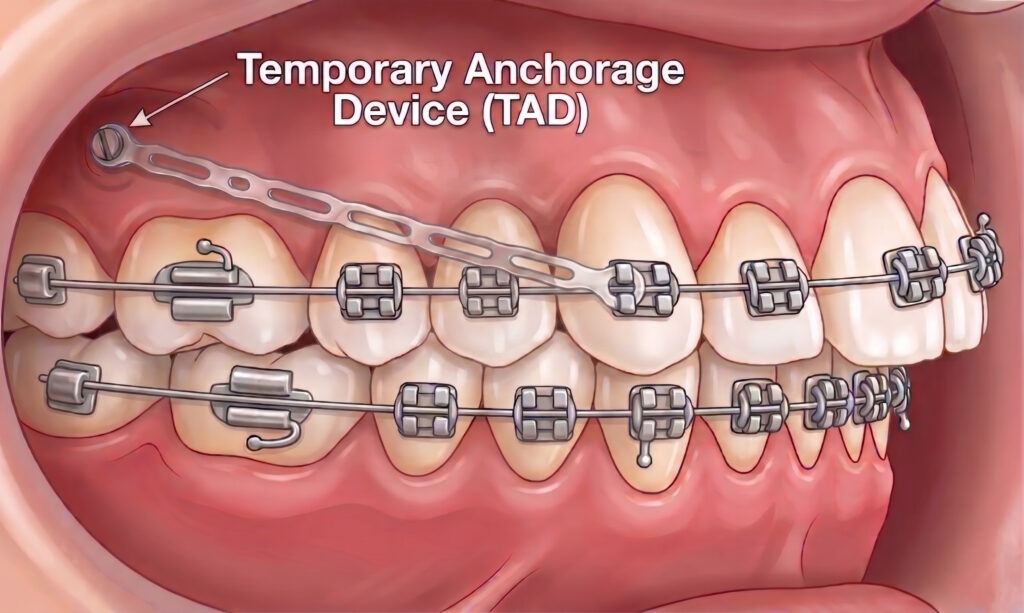
TADs are small temporary anchors placed in the mouth to help move teeth more efficiently. They provide additional support and anchorage so certain teeth can move more precisely.
Think of a TAD as a piercing in your gum. It is a non-invasive in-office procedure. Dr Peikar will numb the surface area of the gum with topical and/or local anesthetic prior to the placing the TADS. Later the TADS will be attached to the Celebrace or aligner and will slowly activate the needed movement for optimal results.
Oral Hygiene
Keeping the area around the TAD clean is very important.
We recommend:
- Gently brushing around the TAD and surrounding gums
- Rinsing with water after meals
- Using a water flosser if needed
Keeping the area clean helps prevent irritation and inflammation.
Foods to Avoid
To prevent irritation or damage, avoid:
- Sticky foods like gum and caramel
- Hard foods like ice, nuts, and hard candy
Be mindful when chewing near the area.
What to Expect
It is normal to feel some pressure or mild soreness after placement. Most patients adjust quickly within a few days.
You may feel the TAD with your tongue at first, but it becomes more comfortable over time.
Use over the counter pain relief if needed.
Treatment Time
TADs are used for specific parts of treatment and are typically temporary.
Dr. Peikar will let you know how long they will be needed in your case.
After Treatment
Once they are no longer needed, TADs are removed. The area usually heals quickly.
Retainers will still be used after treatment to maintain your results.
Common Questions About TADS
Does placement hurt?
The area is numbed before placement, so most patients feel pressure rather than pain. The process is quick.
What if my TAD feels loose?
If a TAD feels loose or comes out, contact our office.
What if the area is sore or irritated?
Mild soreness is normal at first. If discomfort continues or worsens, please let us know so we can take a look.
Can I feel or see the TAD?
You may feel it with your tongue, and a small portion may be visible. Most patients get used to it quickly.

Mini-Implant Assisted (MIA) Orthodontics
Tiny implants act as anchors, allowing for more precise tooth movement—ideal for complex alignment cases without the need for invasive surgery.
Teeth Whitening
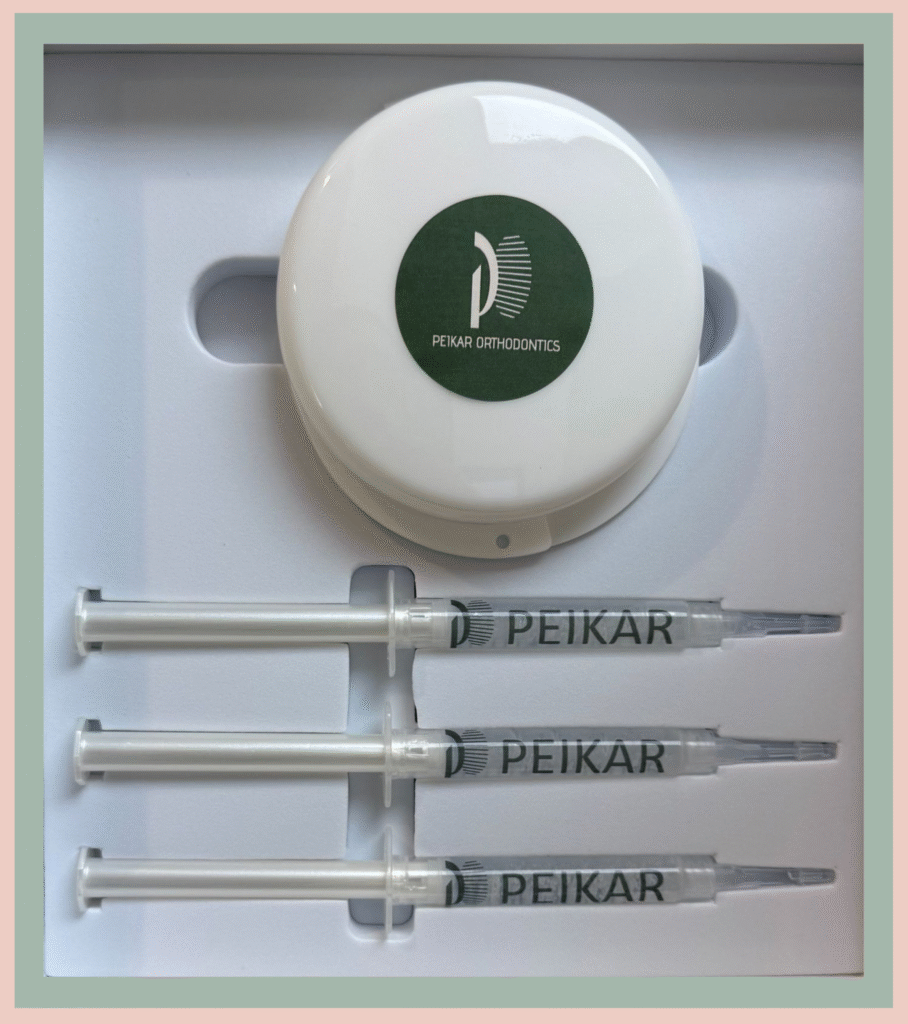
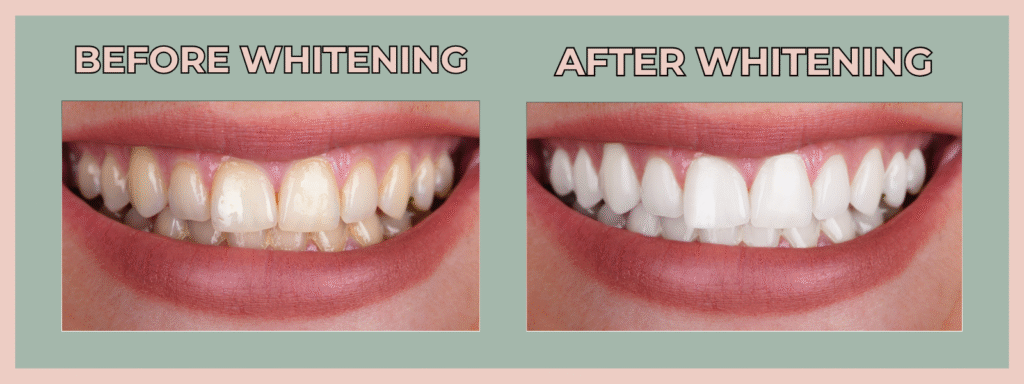
Teeth whitening is a simple way to brighten your smile after orthodontic treatment. We provide a professional whitening kit that you can use at home.
Our custom teeth whitening kit utilizes a professional-strength formula that is exclusively dispensed by dental professionals. Engineered to break down years of stubborn stains while actively minimizing tooth and gum sensitivity, our kit delivers a dramatically brighter, whiter smile that you can confidently show off.
What Comes in the Kit
Your whitening kit includes:
- Custom trays made to fit your teeth
- Whitening gel syringes
- Instructions on how to use everything properly
Whitening Cost
We offer professional whitening as an add-on after treatment. Please contact our office for current pricing and availability.
How to Use the Whitening Kit
Place a small amount of whitening gel into your trays and wear them as instructed.
Most patients wear their trays for a short period each day. We will give you specific instructions based on your needs.
How Often Should I Whiten My Teeth
Most patients whiten their teeth daily for a short period of time until they reach their desired shade.
After that, you can whiten occasionally for maintenance.
How Long Will Whitening Last
Results can last several months to a few years, depending on your habits.
Foods and drinks like coffee, tea, red wine, and soda can cause staining over time.
What to Avoid After Whitening
Right after whitening, teeth are more prone to staining. It’s best to stick to lighter colored foods for the first 24 to 48 hours.
Avoid dark or staining foods and drinks such as:
- Coffee and tea
- Red wine
- Soda
- Dark sauces
Common Questions About Whitening
How long do I keep the whitening on?
Wear your trays as instructed by our office. This will depend on the strength of the whitening gel provided.
Will whitening work on crowns or implants?
No. Whitening only works on natural teeth and will not change the color of crowns, veneers, or implants.
Will my teeth be sensitive?
Some patients may experience temporary sensitivity. This is normal and usually goes away after treatment.
Cosmetic Enhancements

Tooth reshaping, gum line adjustments, teeth whitening, and white spot treatments to enhance your smile.
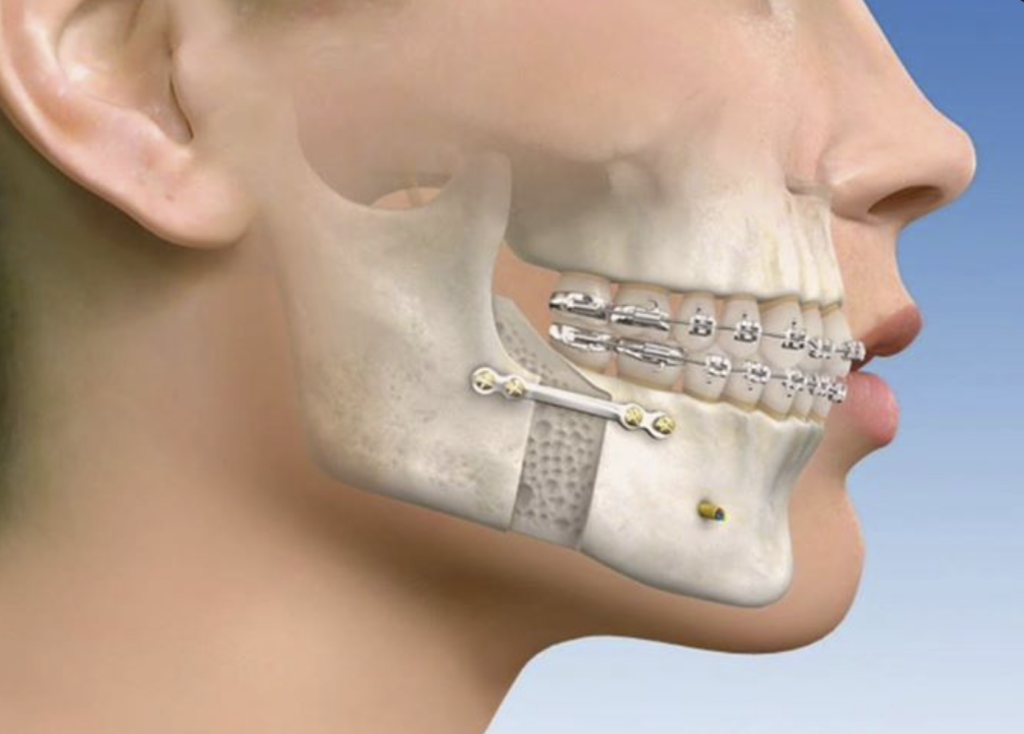
Orthognathic Surgery
Corrective jaw surgery for severe misalignments that braces alone cannot fix. This surgery enhances both facial aesthetics and functionality.
Airway Orthodontics
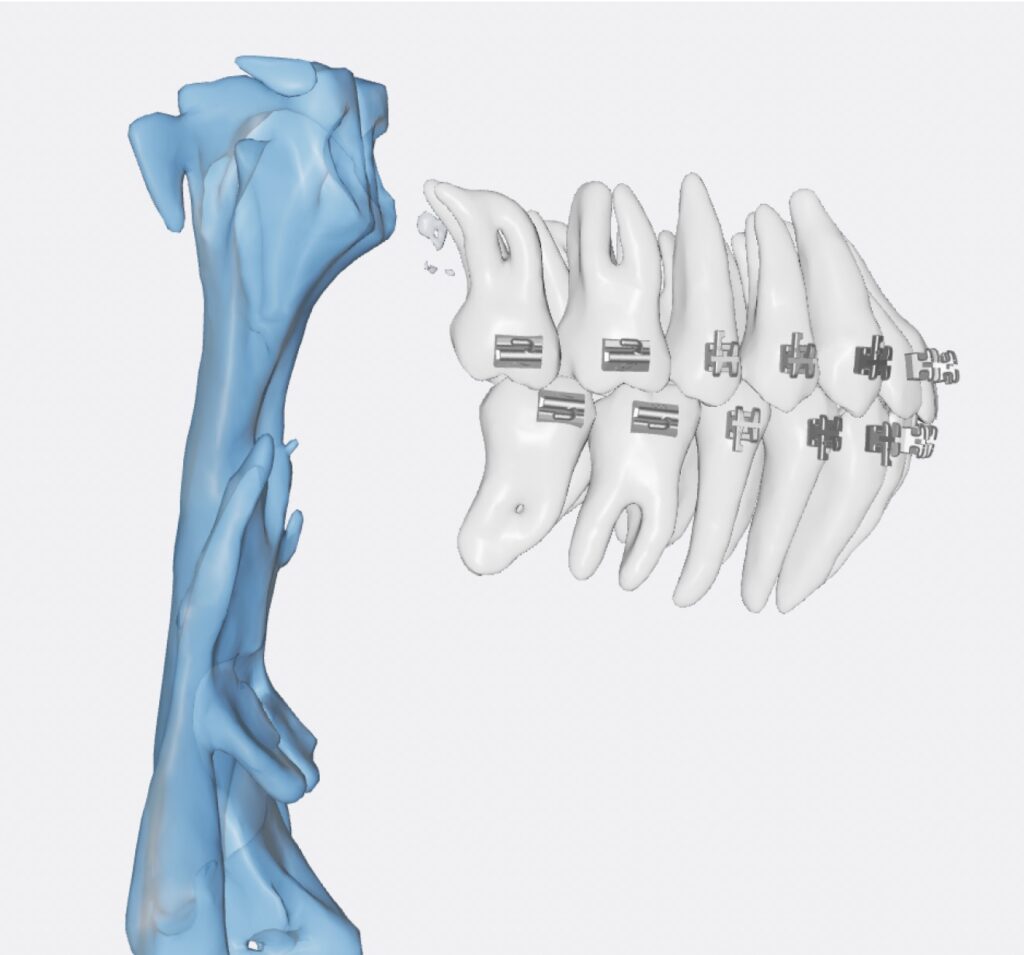
We evaluate and address airway-related concerns as part of orthodontic treatment planning. Using clinical exams and imaging, we consider jaw position, arch width, and oral function to support coordinated care with other healthcare providers when appropriate.